
The Baahubali franchise, directed by S.S. Rajamouli, is one of India’s most iconic cinematic achievements. Released in two parts—Baahubali: The Beginning (2015) and Baahubali 2: The Conclusion (2017)—the saga captivated audiences with its scale, storytelling, and visual grandeur.
Now, in 2025, the makers have re-released the entire story as a single film titled Baahubali: The Epic, combining both parts into a 3-hour-44-minute theatrical experience. While the move is marketed as a tribute to fans and a chance to relive the magic, it raises serious questions about fairness, value, and audience respect.
💸 Double Billing, Then Repackaging?
When the original films were released, audiences paid separately for each part. The split was justified by narrative depth and production scale. But now, merging both parts and re-releasing them as one film—without major new content—feels like a commercial repackaging.
- Original viewers paid twice to experience the full story.
- Now they’re asked to pay again for a combined version with minor edits.
- No new storyline or sequel content is promised—just a polished retelling.
This raises a key question: Is this cinematic nostalgia or commercial recycling?
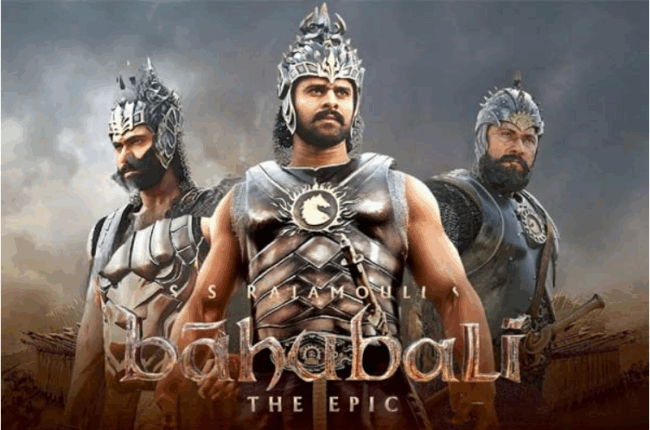
🎥 What’s Different in Baahubali: The Epic?
According to official sources, the new version includes:
- Remastered visuals and sound
- Previously unseen scenes
- A seamless narrative flow without the cliffhanger split
While technically impressive, these additions may not justify a full-priced theatrical experience for those who’ve already watched both parts.
🧠 Audience Sentiment: Mixed Reactions
Some fans welcome the re-release as a chance to relive the saga on the big screen, especially younger viewers who missed the original run. Others feel it’s a marketing strategy that exploits fan loyalty.
Social media debates highlight:
- Appreciation for Rajamouli’s vision
- Frustration over repeated monetization
- Calls for transparency in what’s truly “new”
🏷️ Industry Trend or One-Off?
Baahubali’s re-release could set a precedent. If successful, other studios might follow suit—repackaging old blockbusters with minor edits and selling them as new experiences.
This could dilute creative innovation and shift focus from fresh storytelling to nostalgic monetization.
✅ Final Thoughts
Baahubali: The Epic is undeniably a cinematic event. But it also prompts a deeper conversation about audience respect, pricing ethics, and creative integrity. Filmmakers must balance artistic ambition with fair value—especially when revisiting beloved franchises.
Is it worth watching again? That’s up to each viewer. But questioning the model is not just valid—it’s necessary.